Back
UI/UX Design
Interaction Design
Designing a productivity app designed to help organize and manage one’s time, relieving the stress of an overwhelming schedule and making the most out of one’s day by streamlining the scheduling process.
Role
UIUX Designer
Team
Ashley Chung
Selena Yang
Melissa Lee
Timeline
Nov 2021 (3 Weeks)
My role
Wireframing, Prototyping, Visual Design, User testing, Design System
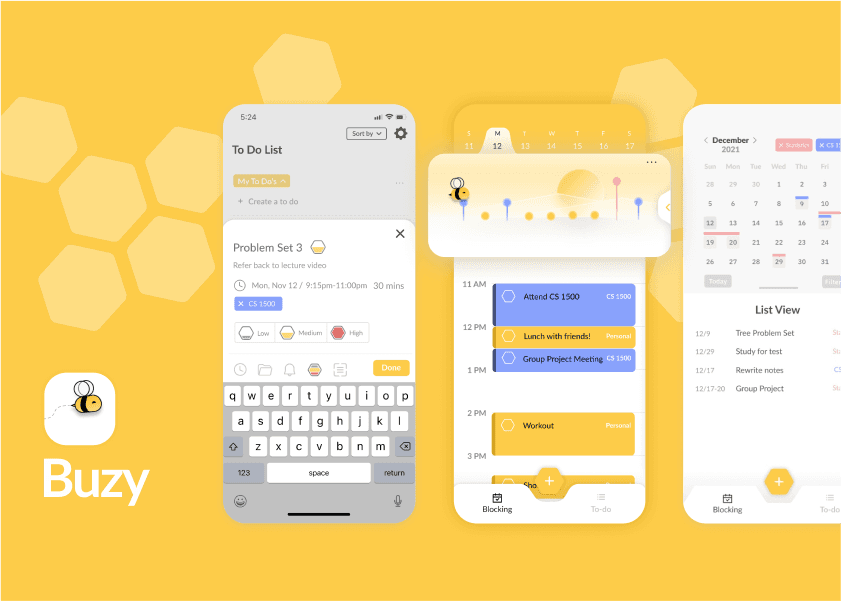
🎯 Problem
Students feel overwhelmed and disorganized because current productivity tools force a trade-off between the flexibility of to-do lists and the structure of calendars, leading to stress and time mismanagement.
How might we help college students feel less overwhelmed with their busy schedules?
⭐️ Solution
BUZY merges your TO DO lists and time-blocked calendar into a single, joyful experience through positive reinforcement to minimize scheduling stress and empower you to maximize your time with ease.
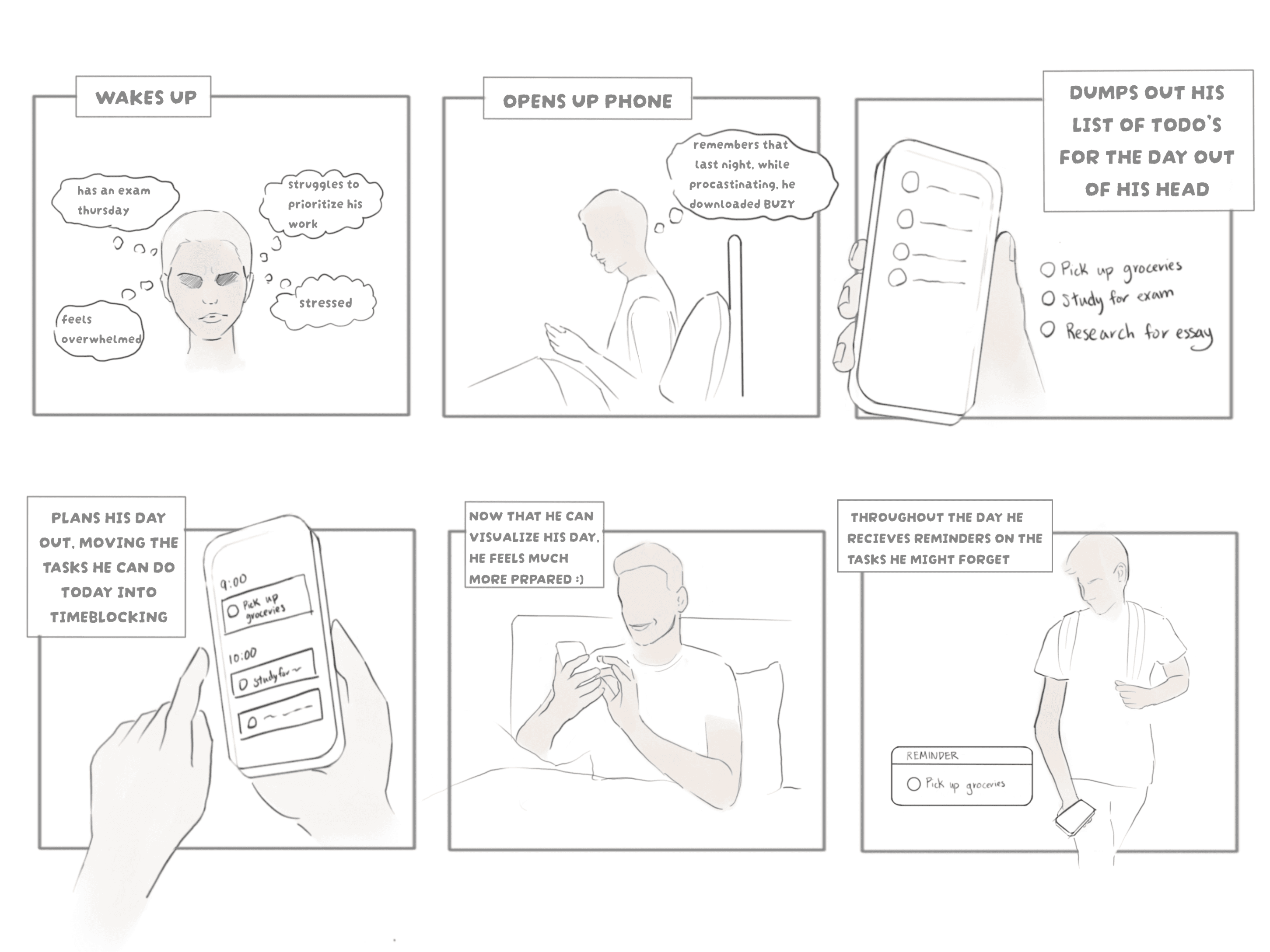
Visualization of how might our user persona, Brian, may use BUZY
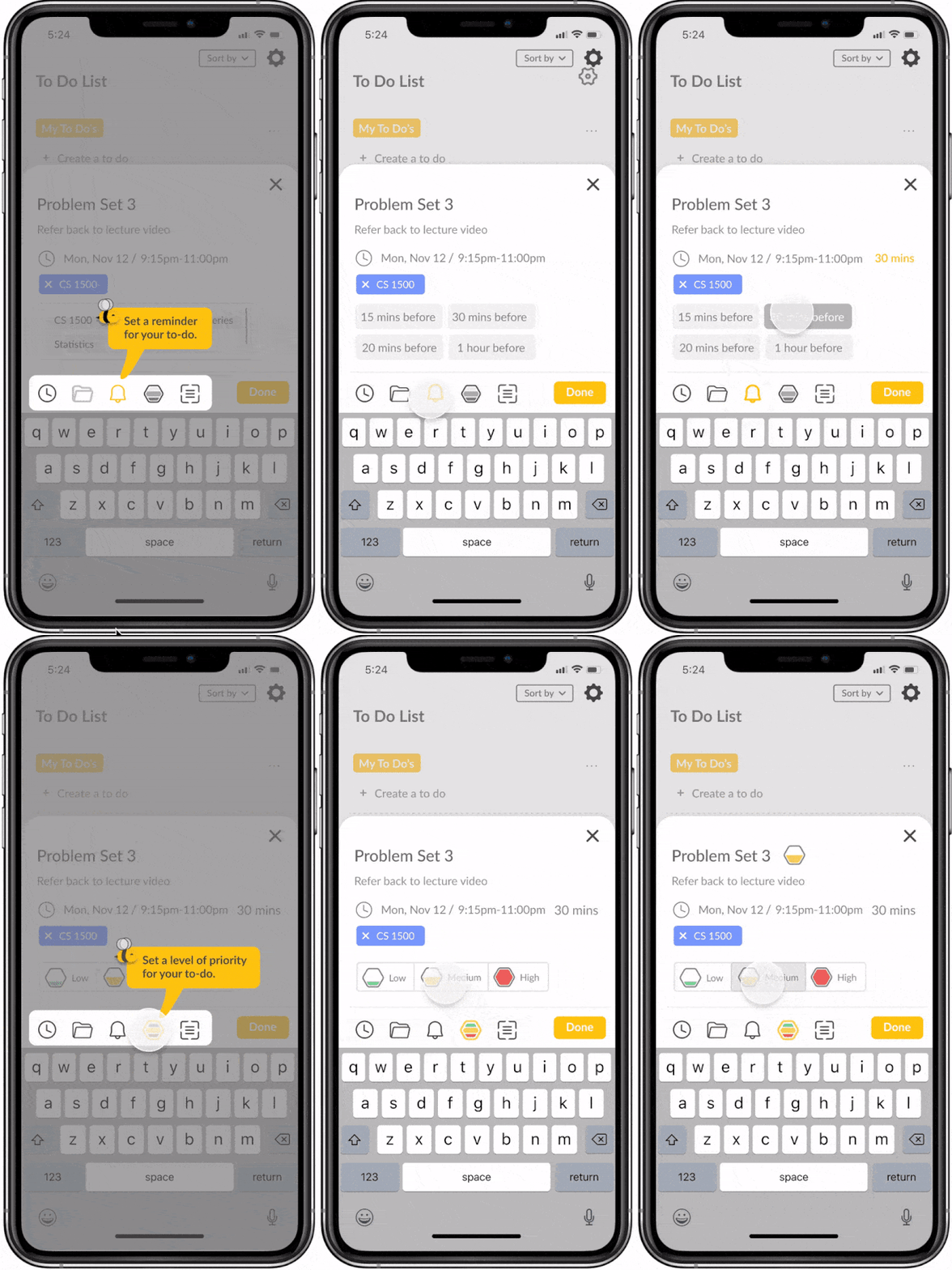
Tame the chaos with prioritization
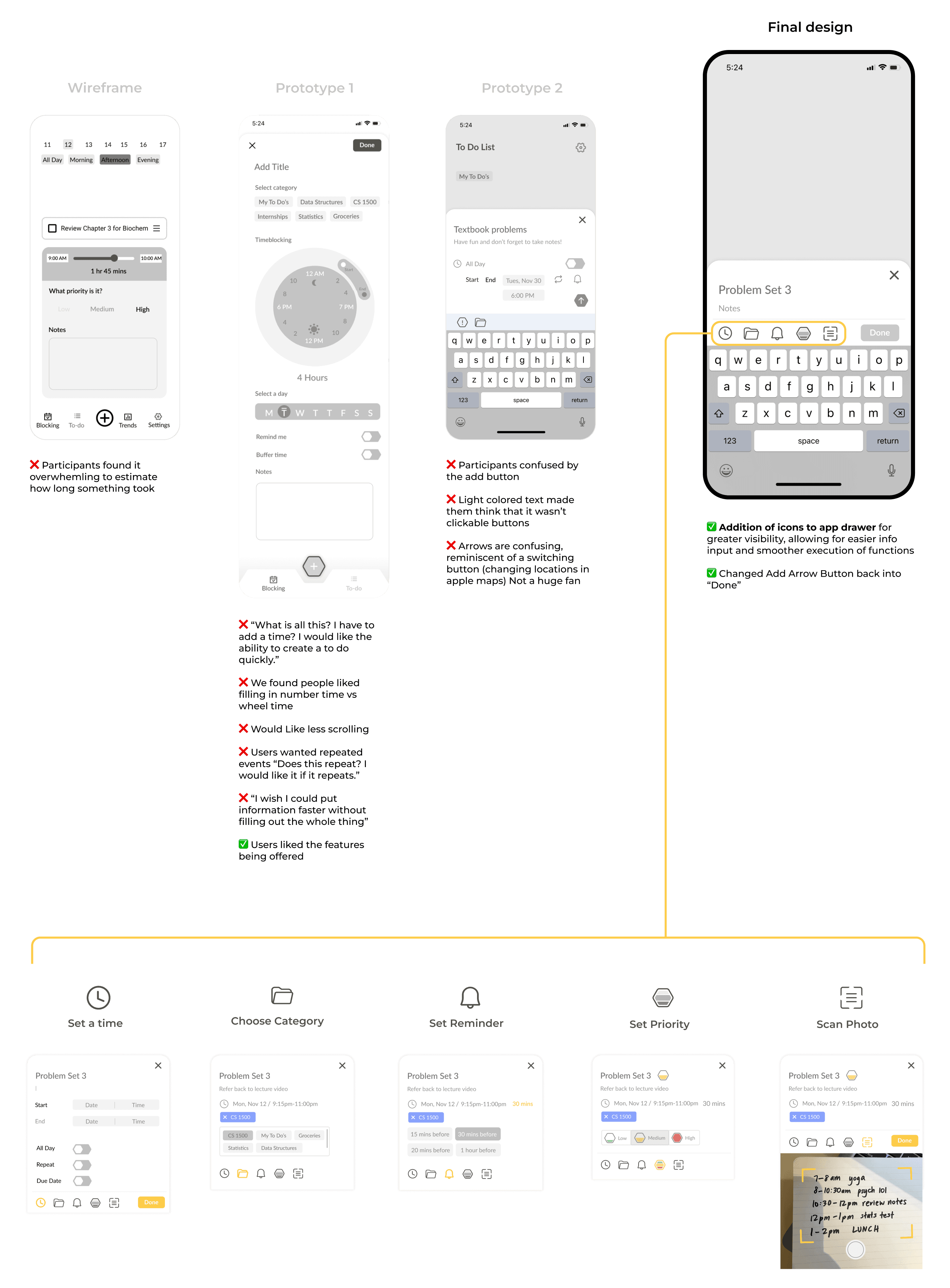
Time-block your schedule by instantly setting the priority, scheduling a time, adding a reminder, and assigning a category to any to do.

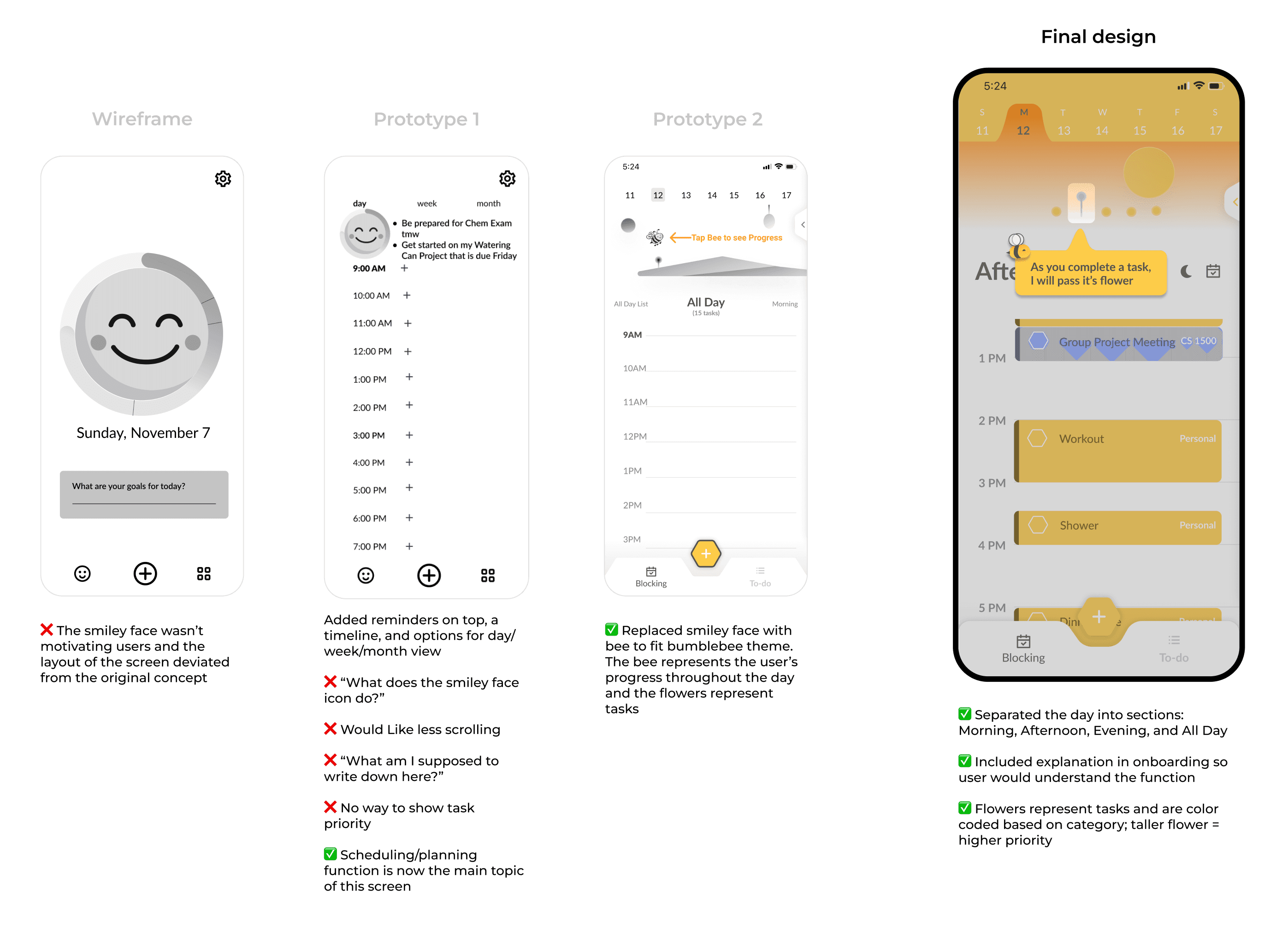
Visualize your day in tasks
Take control of your day. Drag a TO DO right into your calendar to block focus time, or simply set a time and it'll handle the rest.
😬 Multitasking can drop your productivity by 40% and only ~2.5% of the population can actually multitask
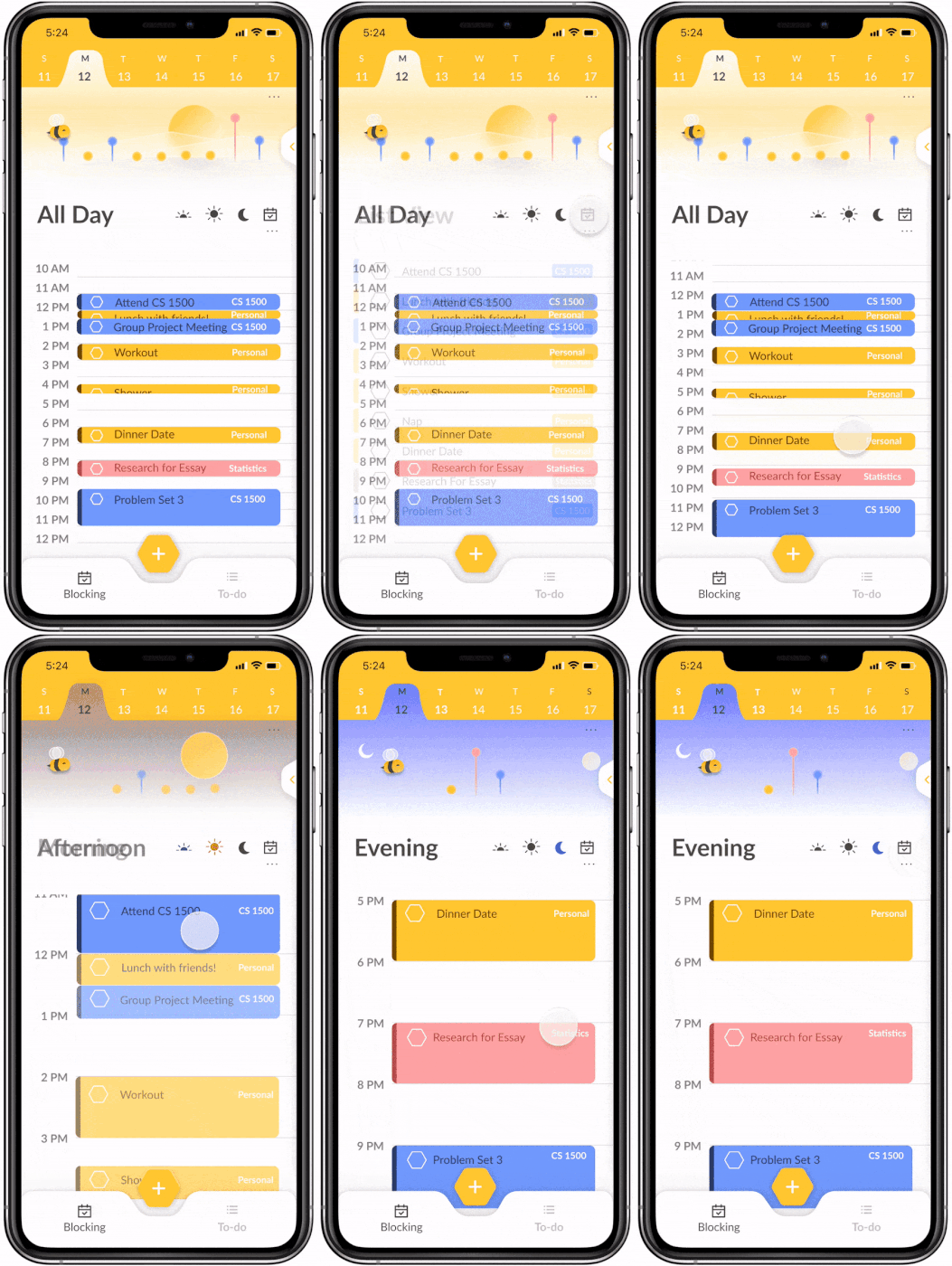
Deep Focus Made Simple
Reduce cognitive load with flexible viewing options. Zoom and scroll for detail, or use List View for a focused, simplified schedule breakdown.

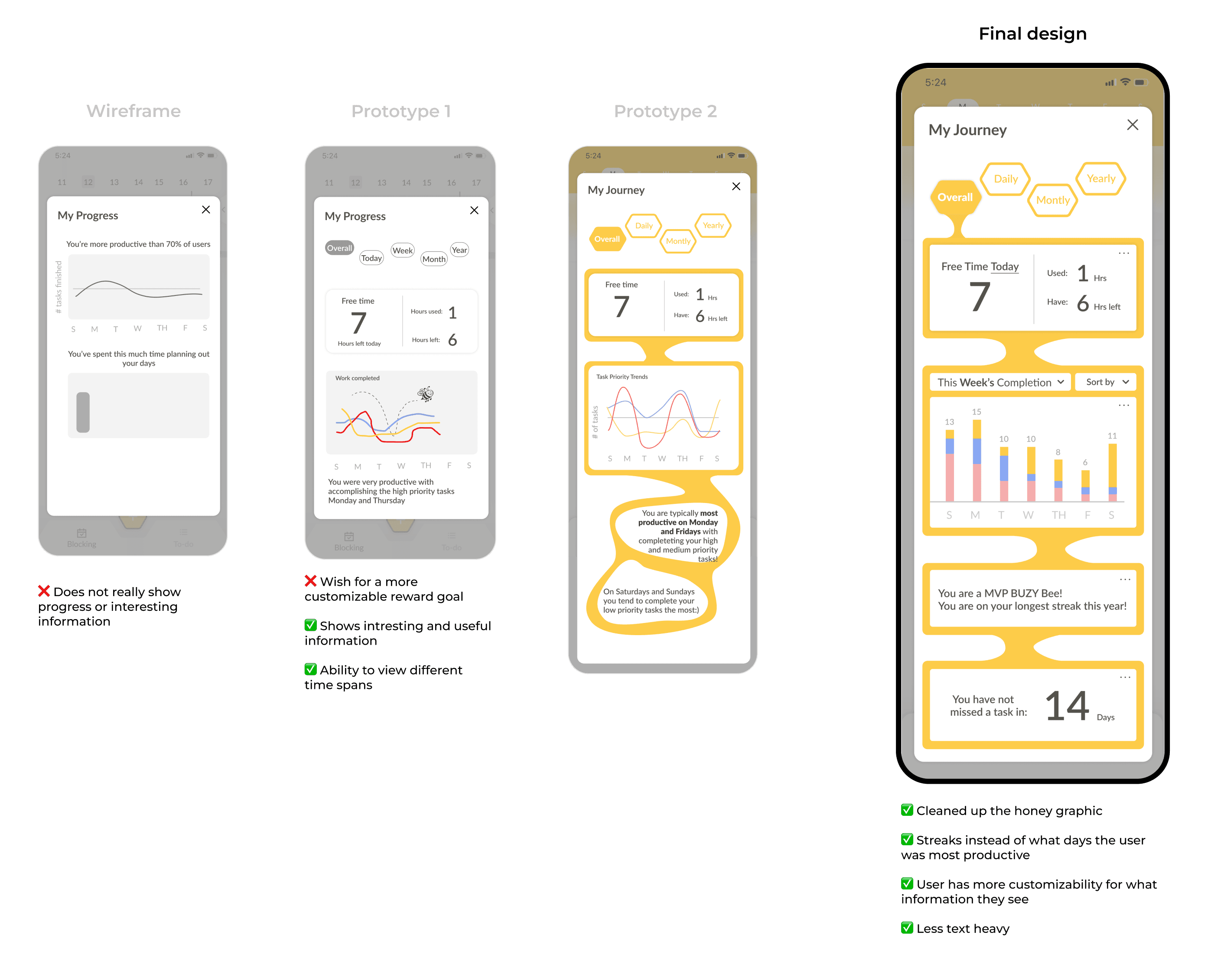
See How Far You've Come
Visualize goal progress for instant positive reinforcement and a gamified experience that keeps you pushing forward.
How did we get here?
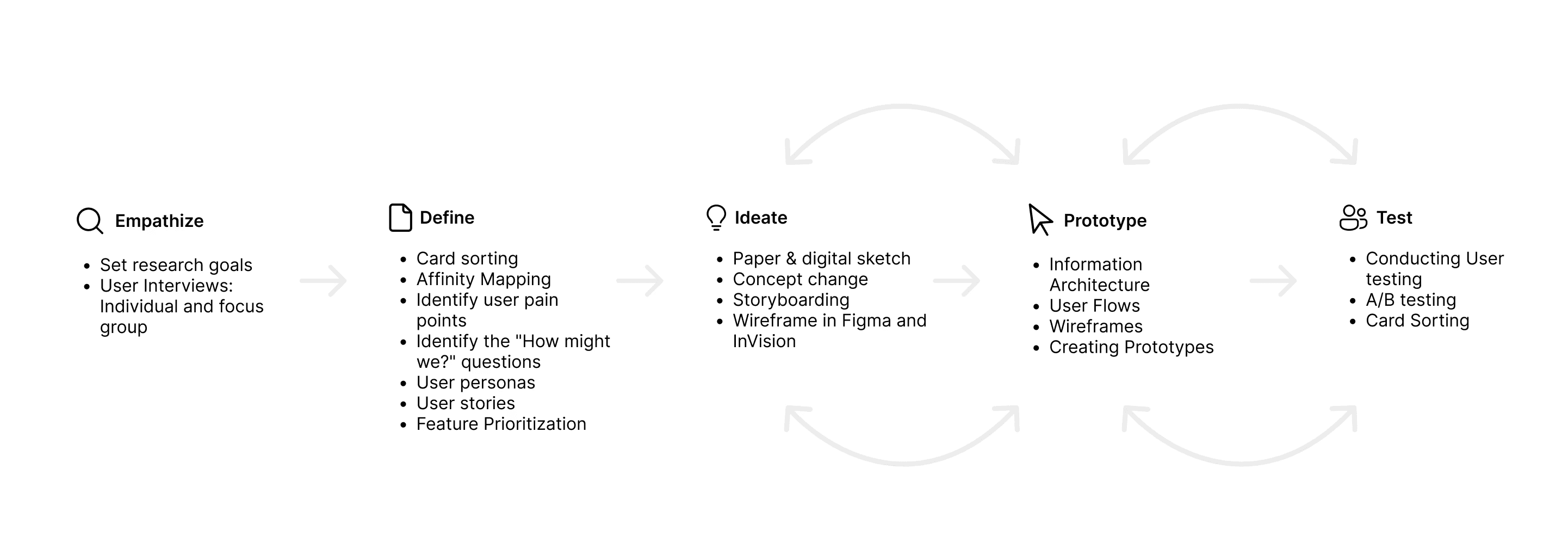
Our Design Process
Understanding the Problem Space and setting research goals
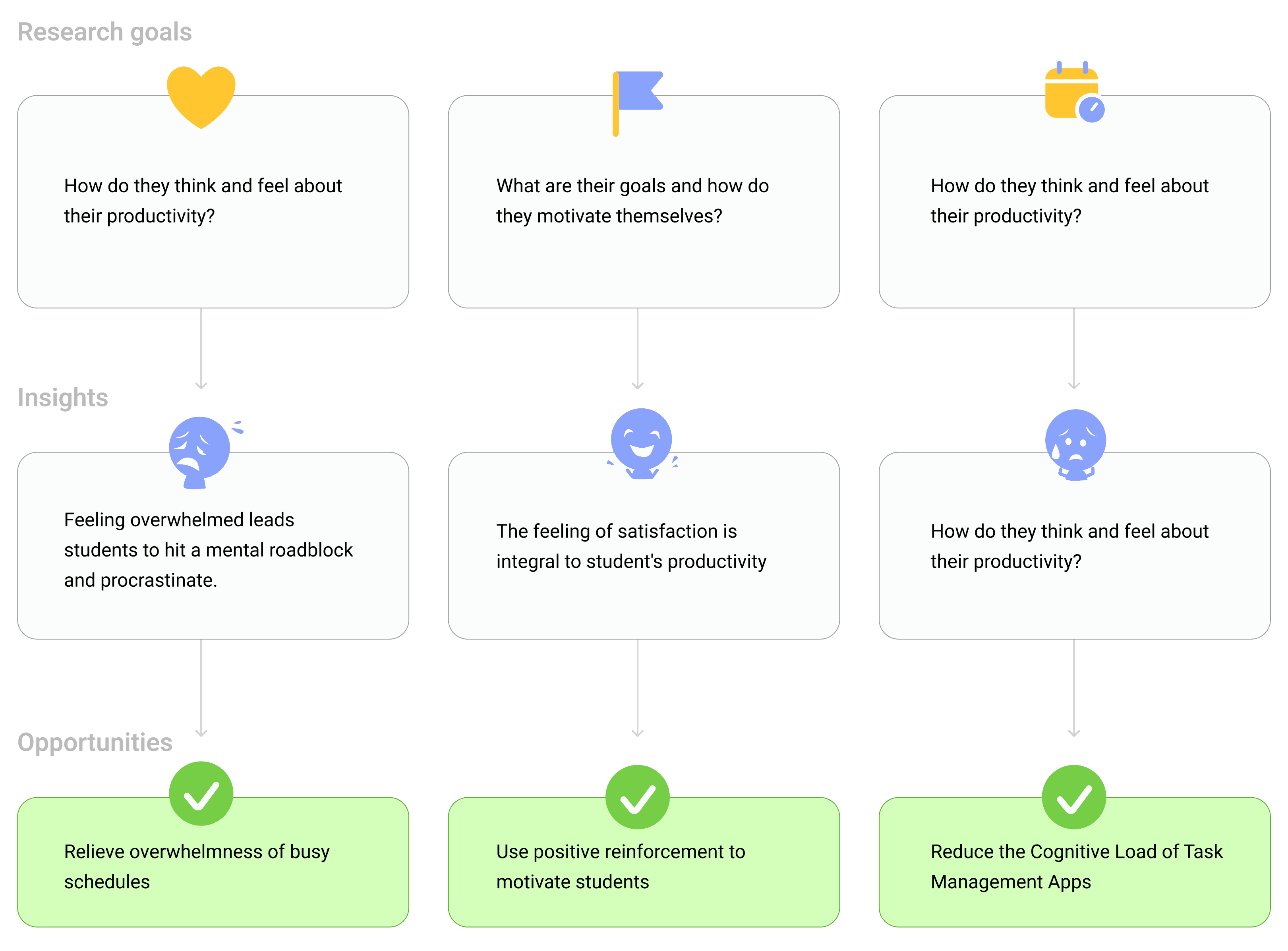
In the short period of time we had, our team laid out a few research goals to narrow down our scope and understand how individuals currently keep track of their daily tasks and their personal wellbeing.

Screener Survey (25 Responses)

User Interviews (14)
Focus Group (1 group of 6)
Observation

Secondary Research
Articles & Videos
Atomic Habits
Though research we uncovered insights from studetns
Understanding the users
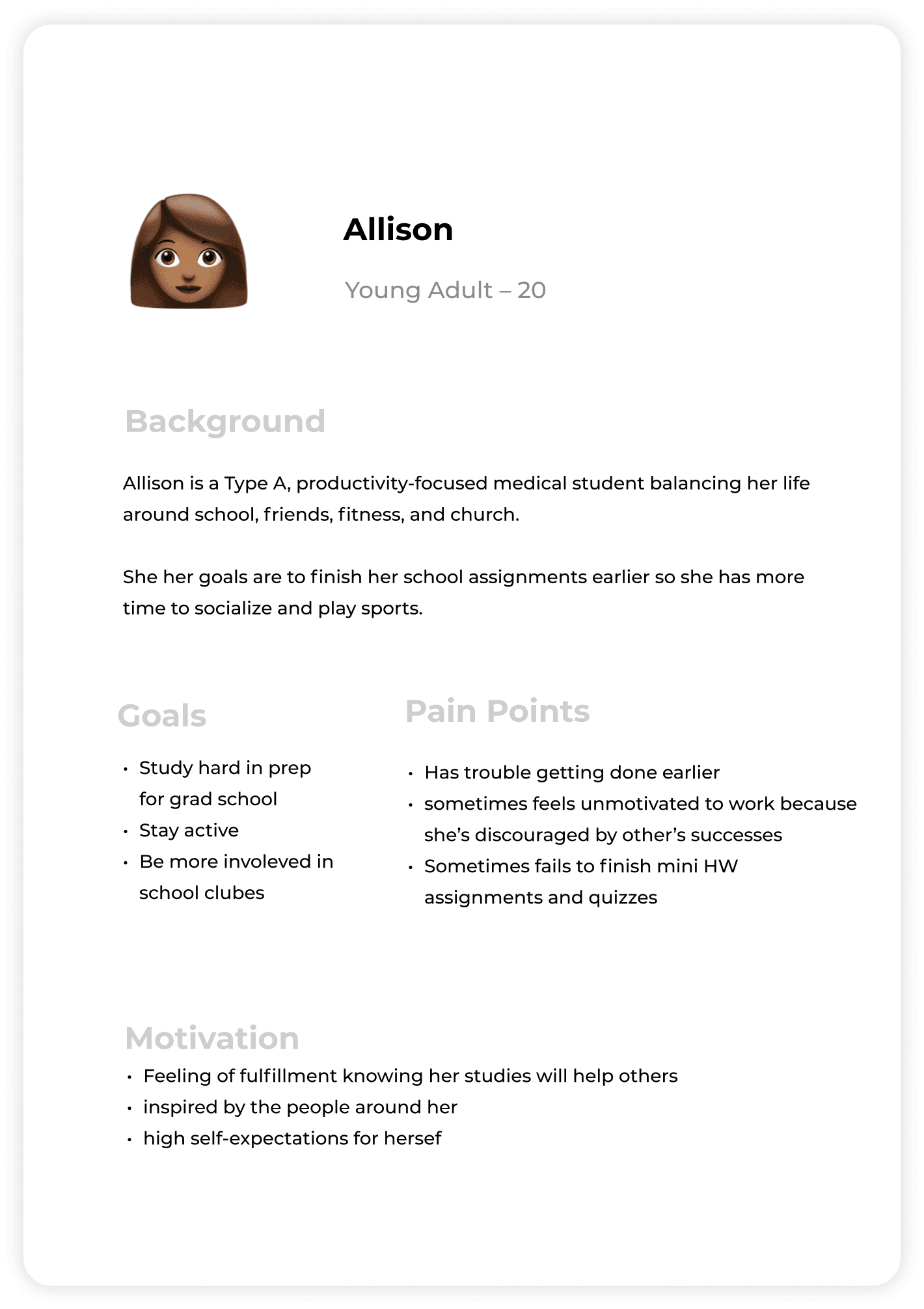
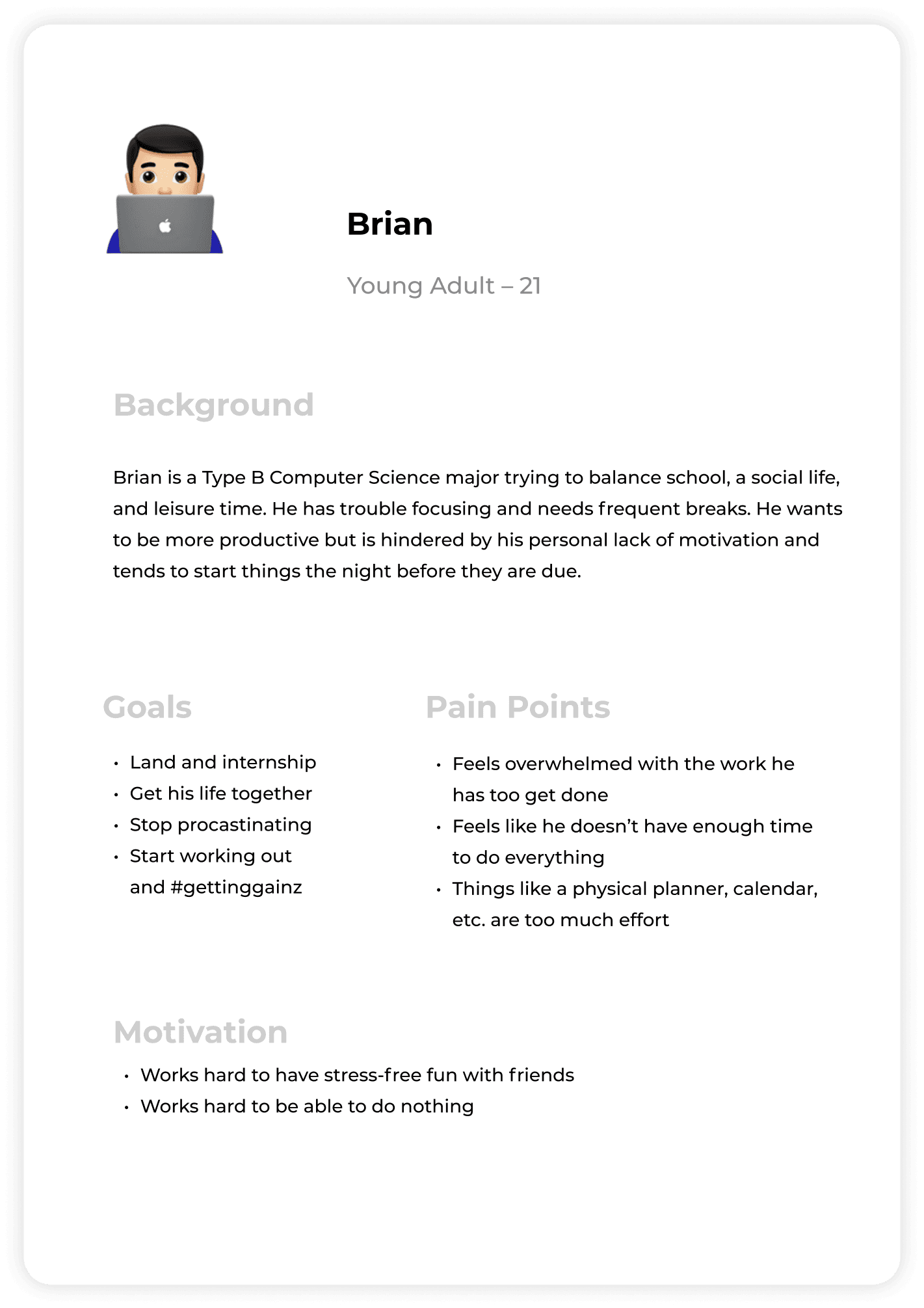
To compile our research results, we created two user personas (Type A student and was one is a Type B student) to highlight common pain points we found and fully represent our target audience.
Type A
Time oriented, ambitious, and organized
Type B
Relaxed, easygoing, and less stress-prone
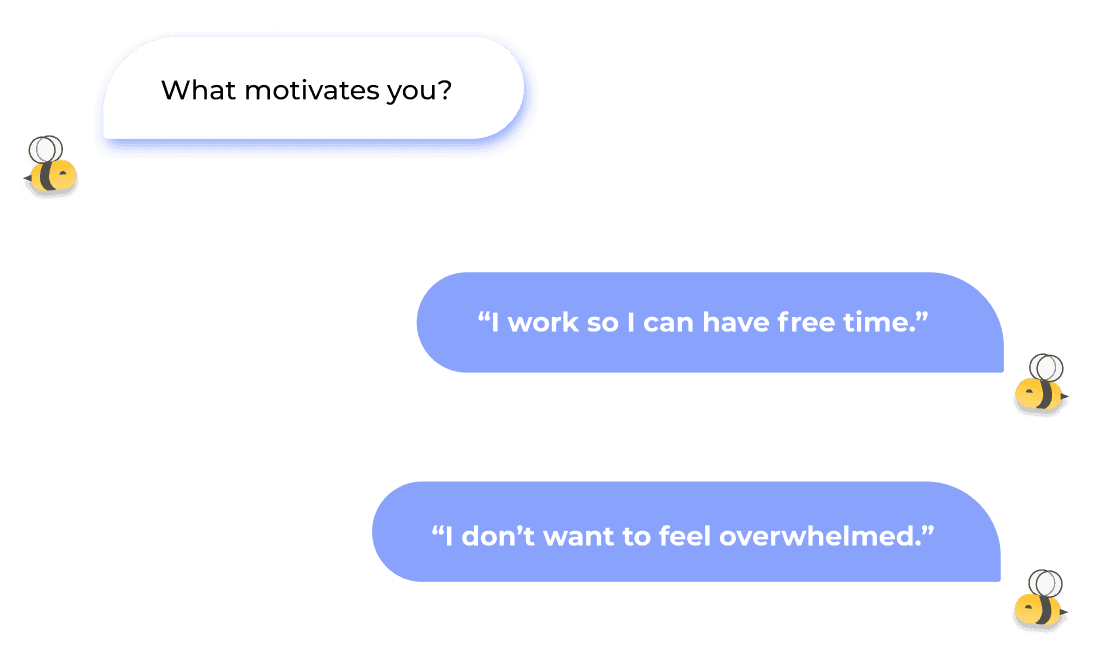
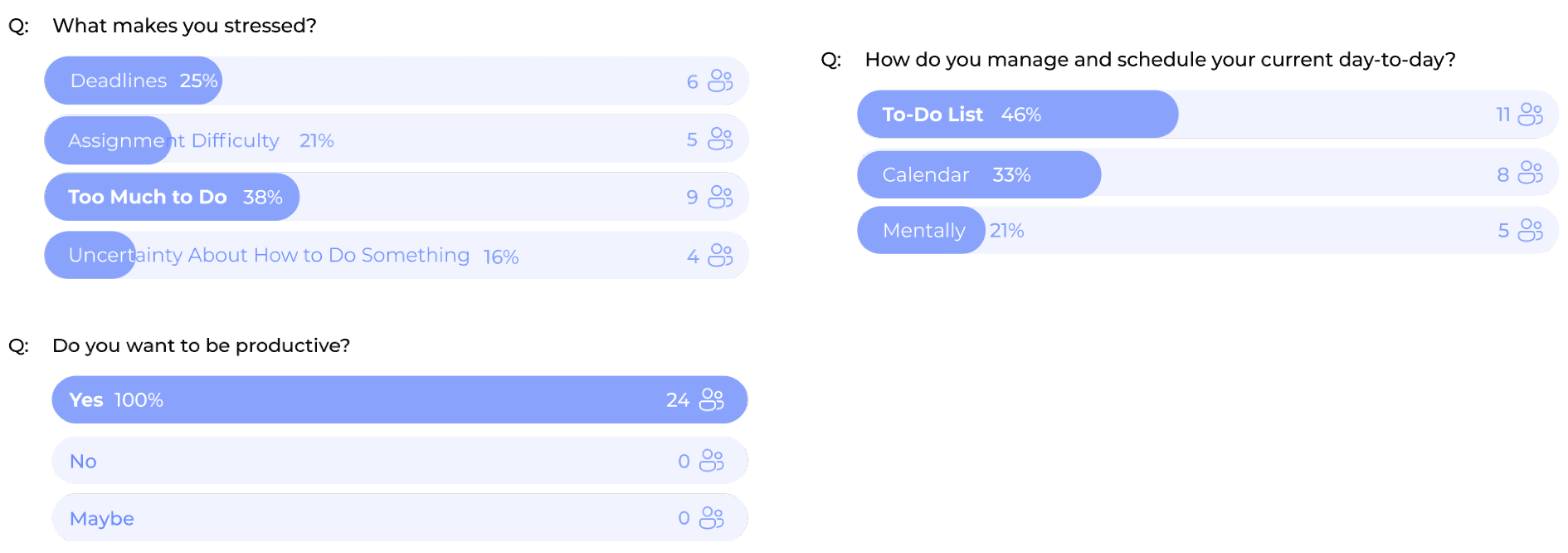
Survey and interview summary:
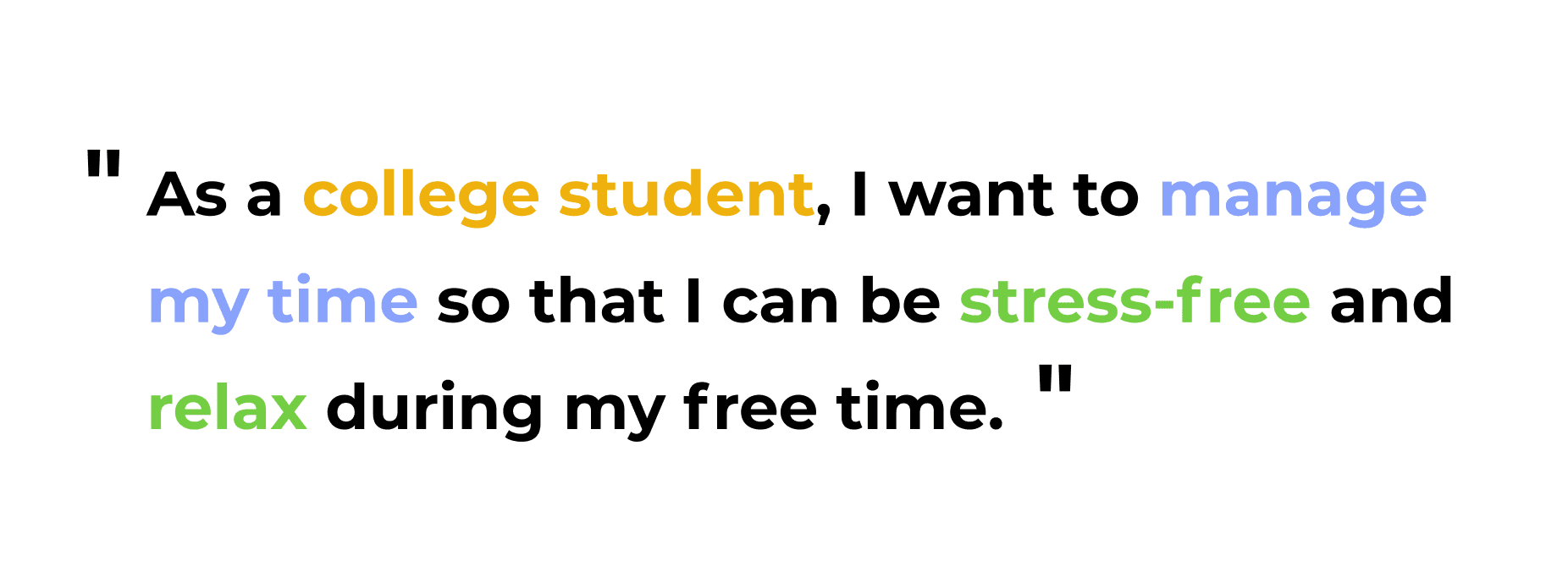
How might we help college students, like Brian and Allison, feel less overwhelmed with their busy schedule?
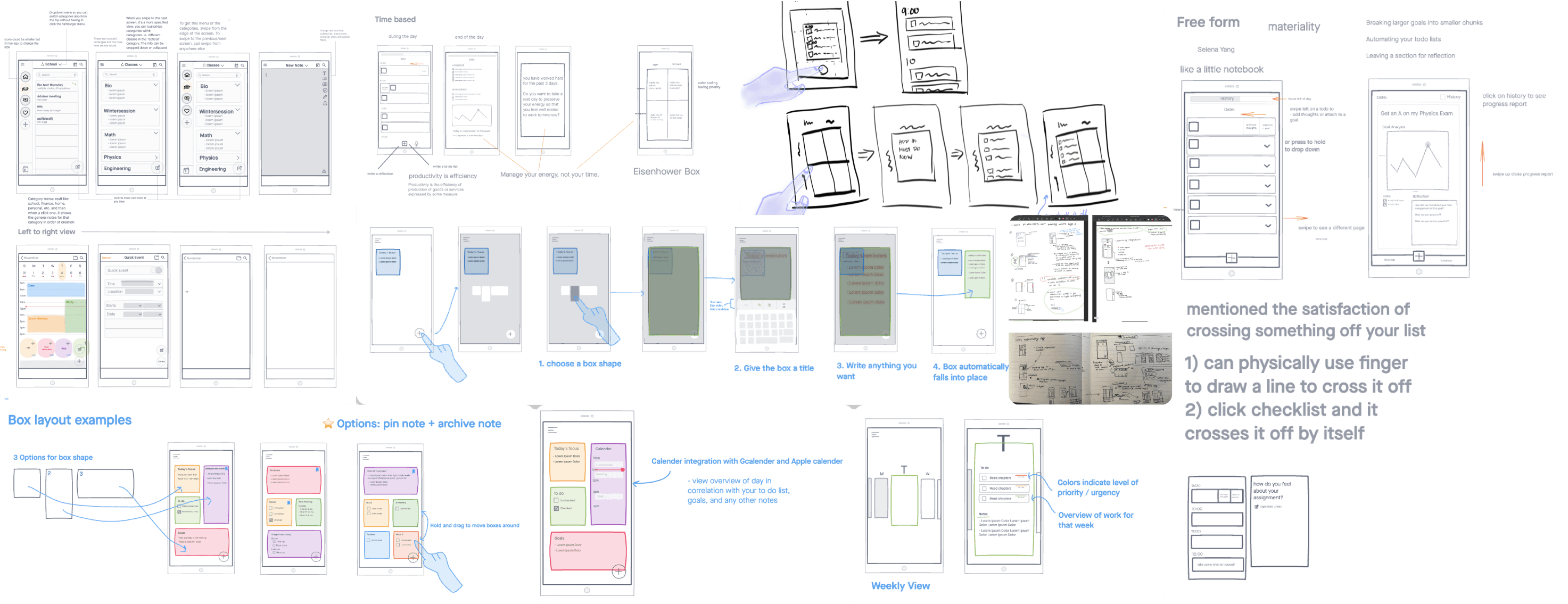
Ideating Design Opportunities

A change in direction…
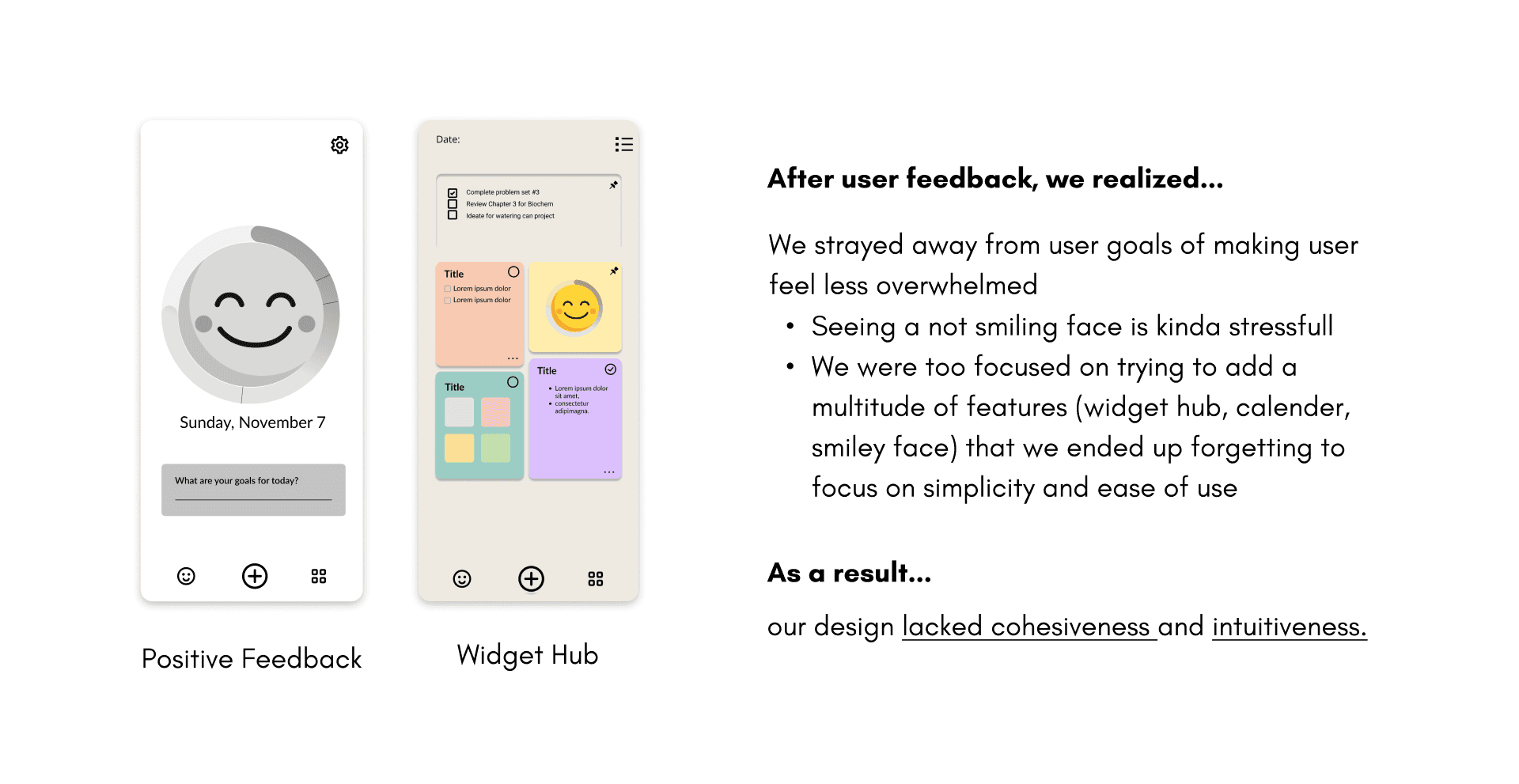
Setbacks after feedback
We strayed from user goals by overloading features, losing focus on simplicity, which made the design less cohesive and intuitive.
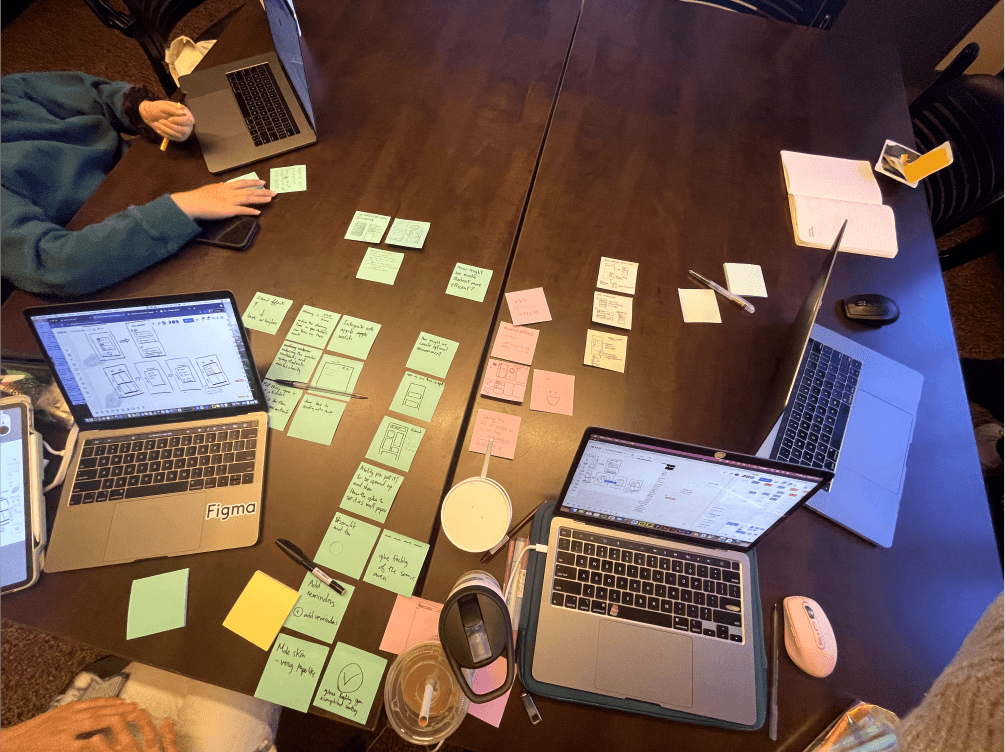
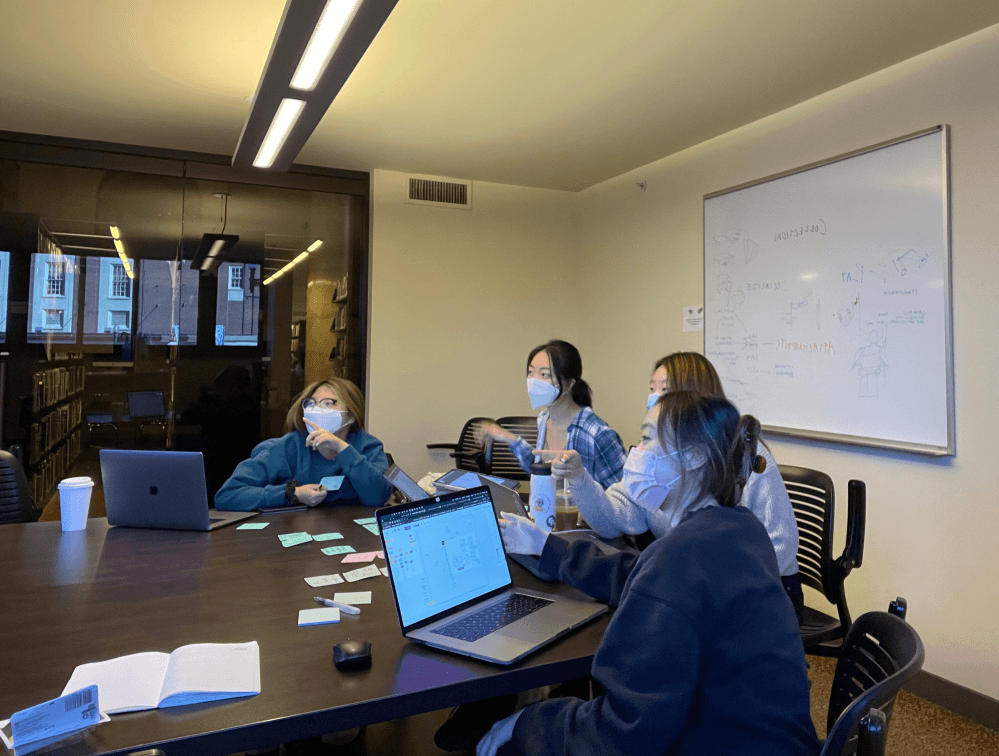
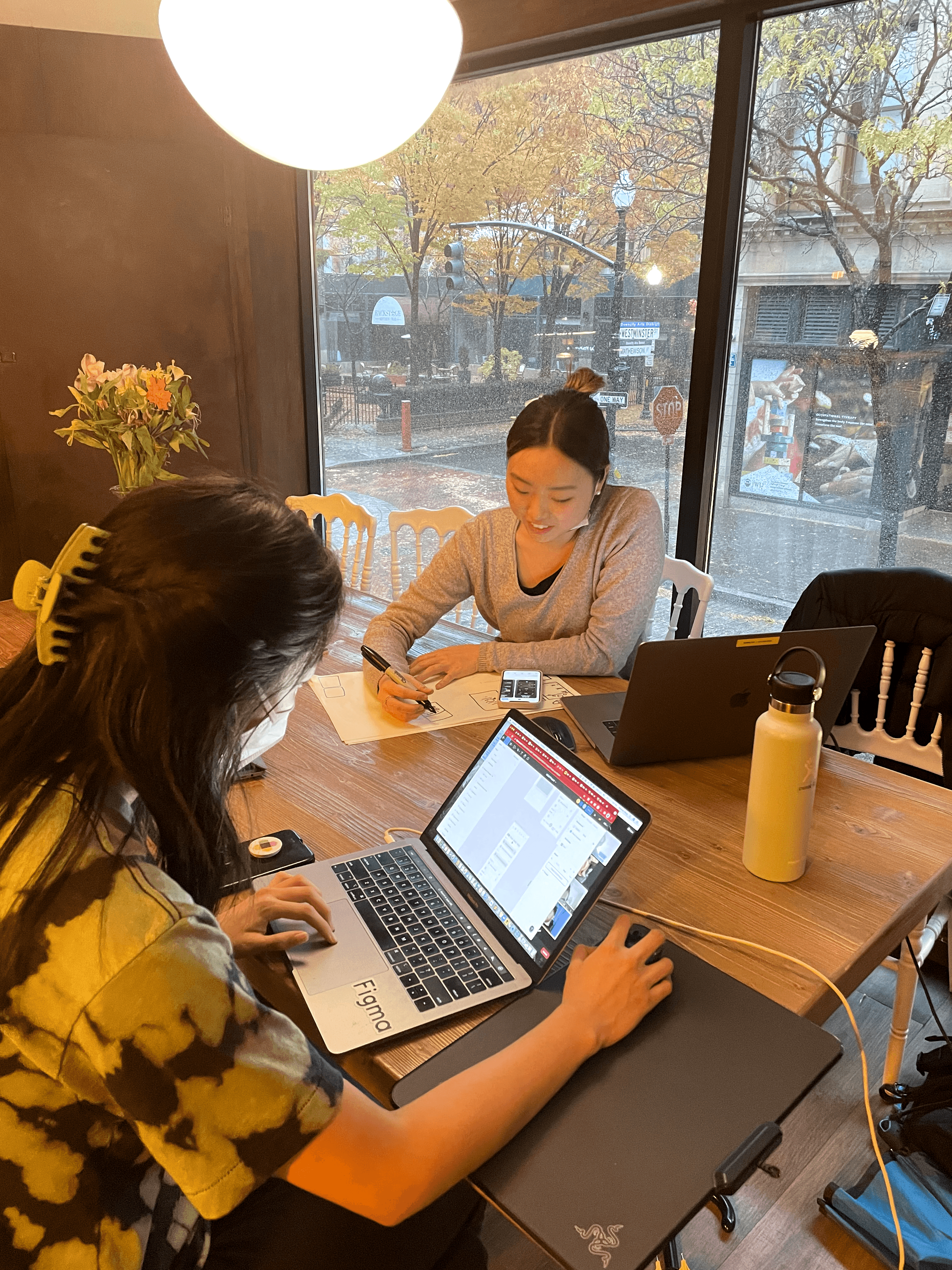
Regrouping and Ideating
We revisited our research and user personas to address the issue of overwhelm. Based on user data, we focused our design on time blocking and to-do lists, gamifying and optimizing the user flow.
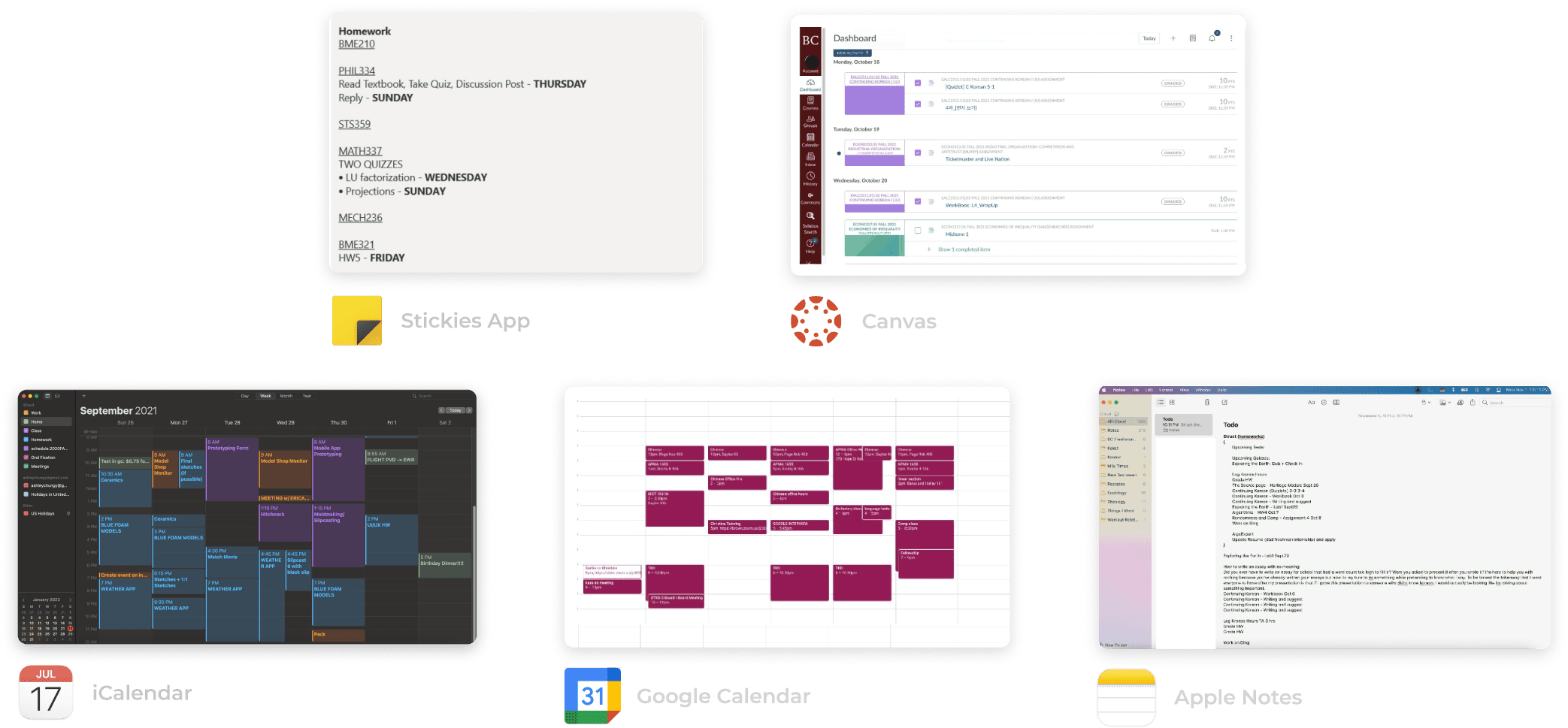
Common schedule organization systems used by students
We collected users’ calendars/planners to see how they organize their tasks based on their personality types to determine the most common forms of organization are time blocking and to-do lists.
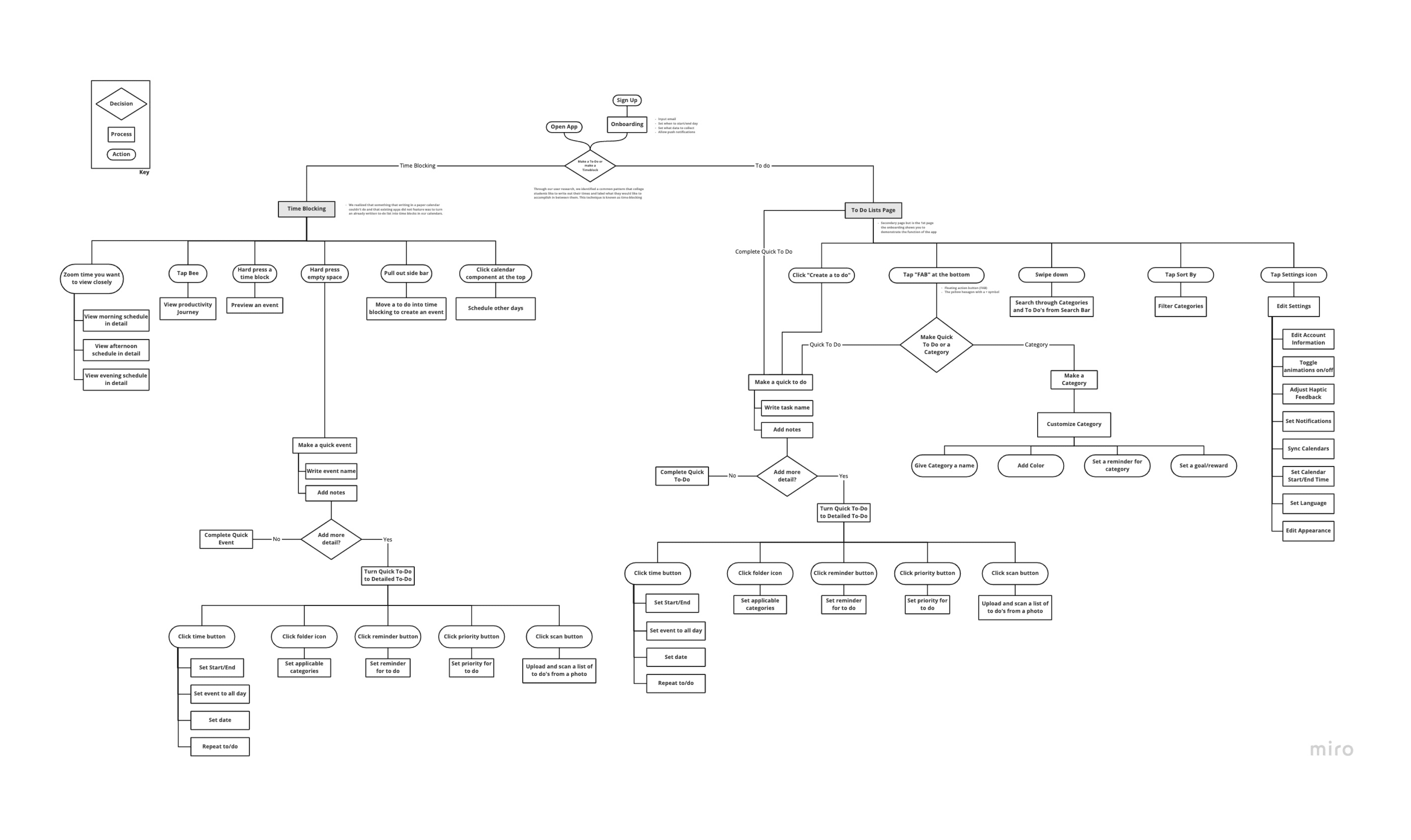
Information Architecture
After narrowing our ideas, we began we redesigning our info architecture and began wireframing.
Initial concept
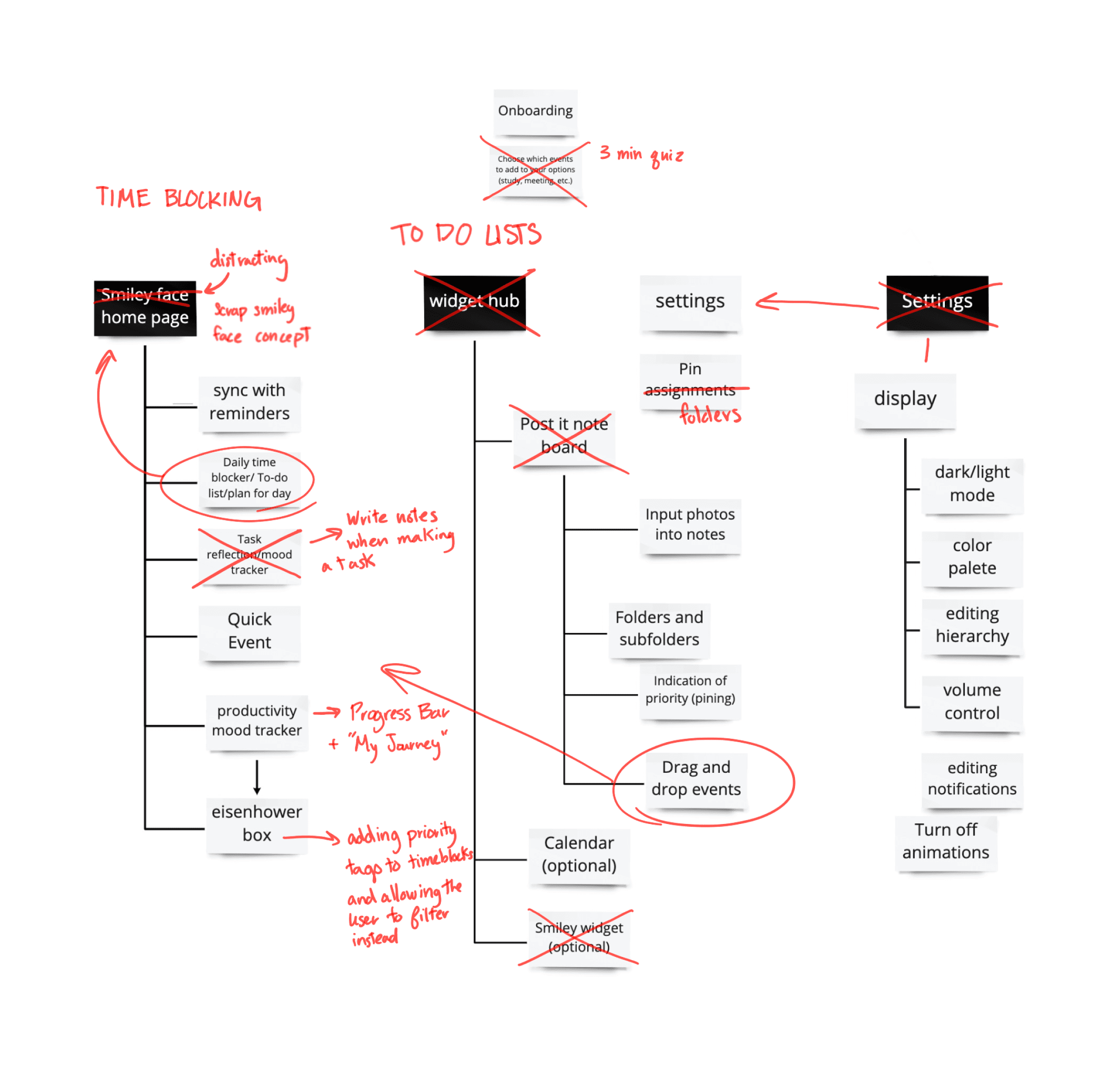
Final concept
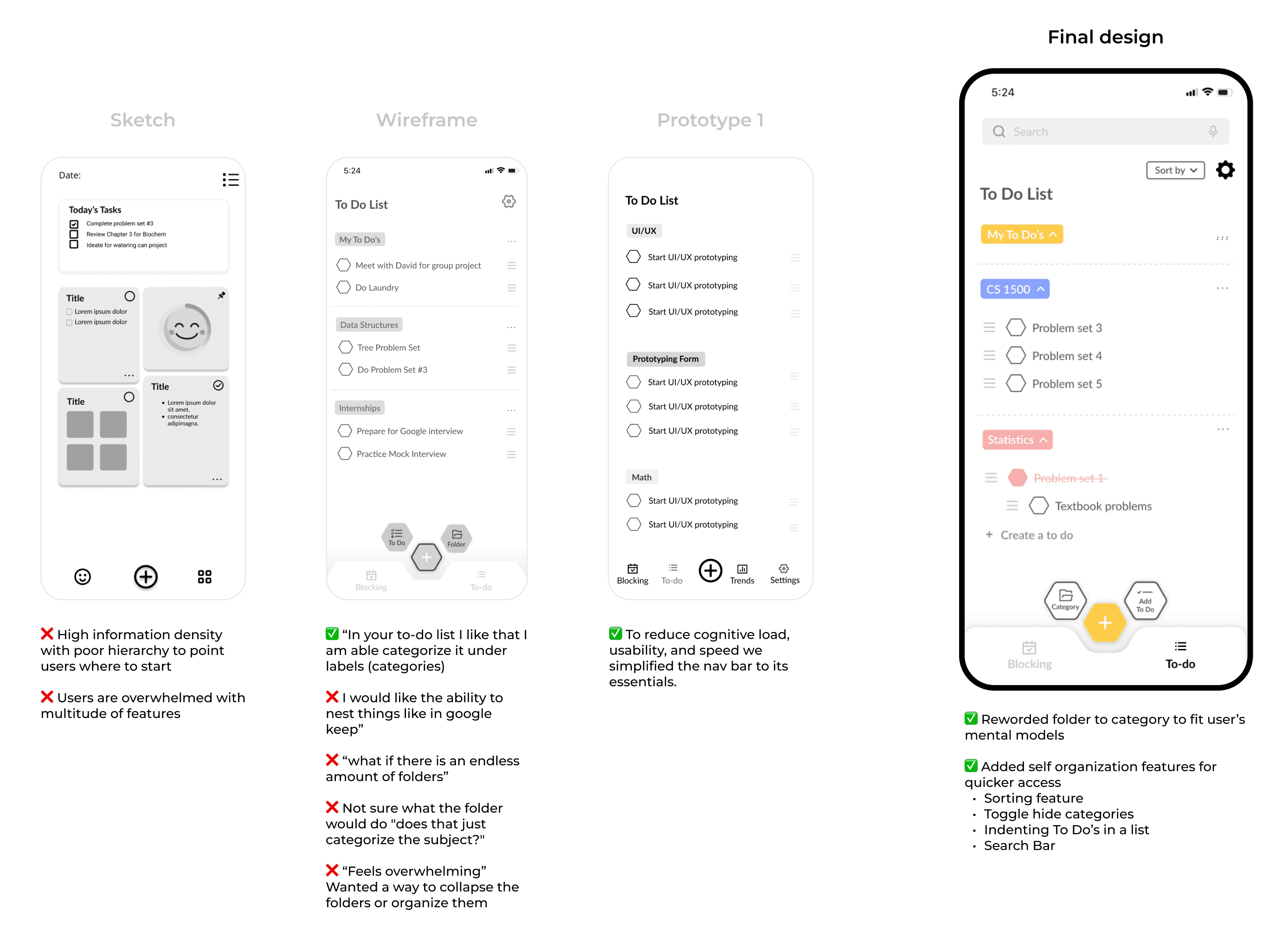
Iteration and testing
To compile our research results, we created two user personas (Type A student and was one is a Type B student) to highlight common pain points we found and fully represent our target audience.
To do page
Editing a to do
Tracking my progress
Positive Reinforcement
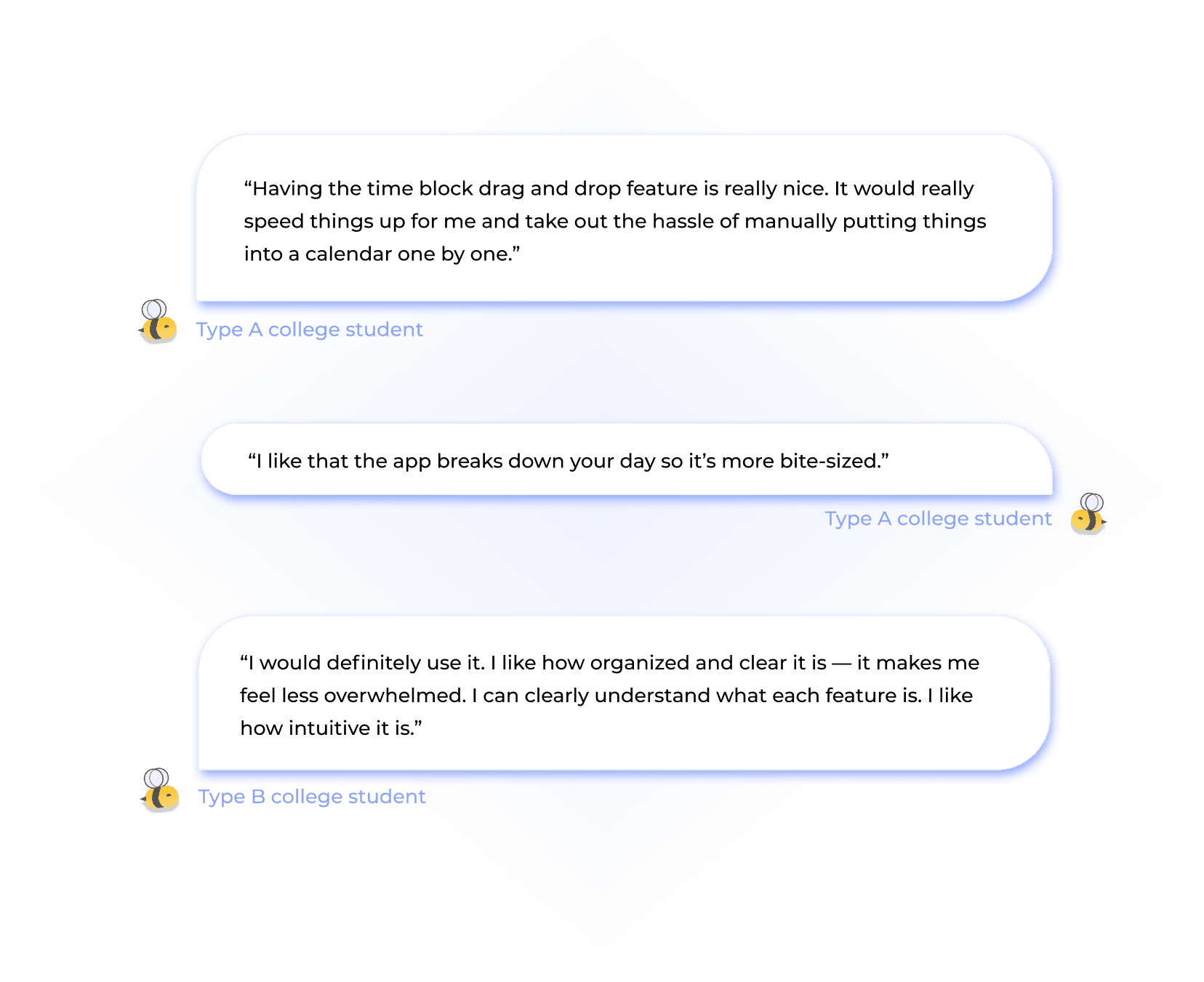
What our users thought
Testimonials
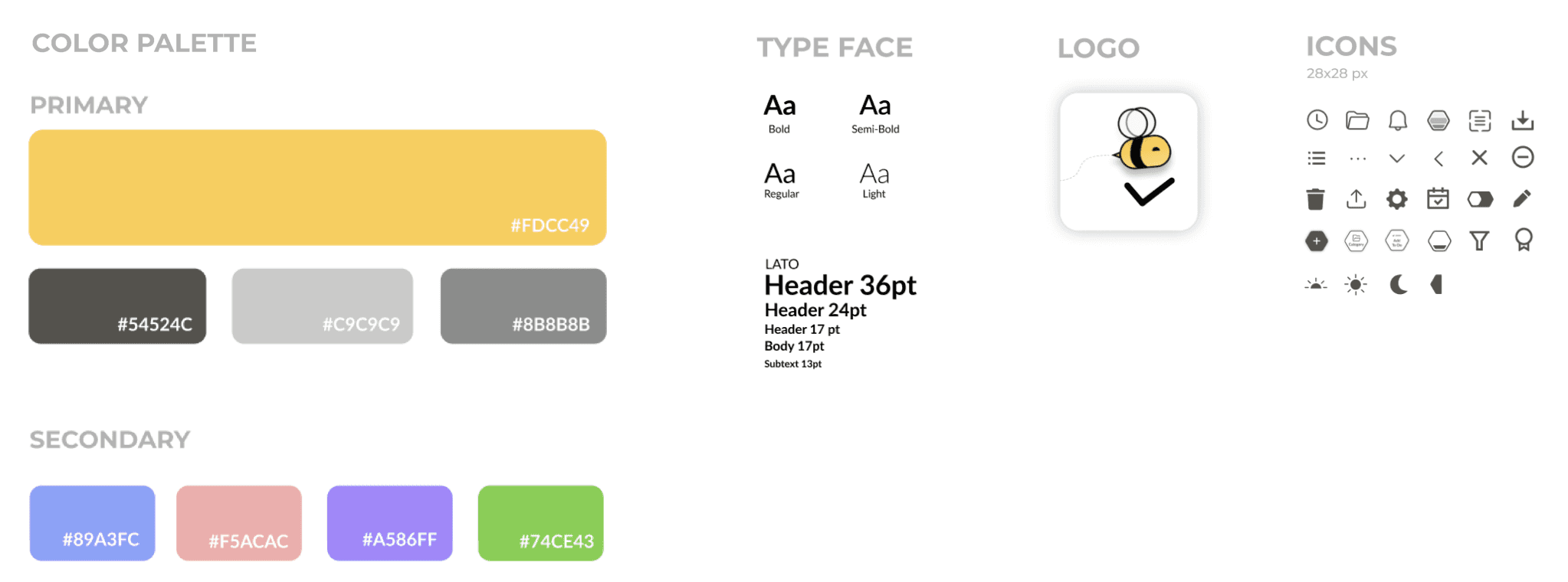
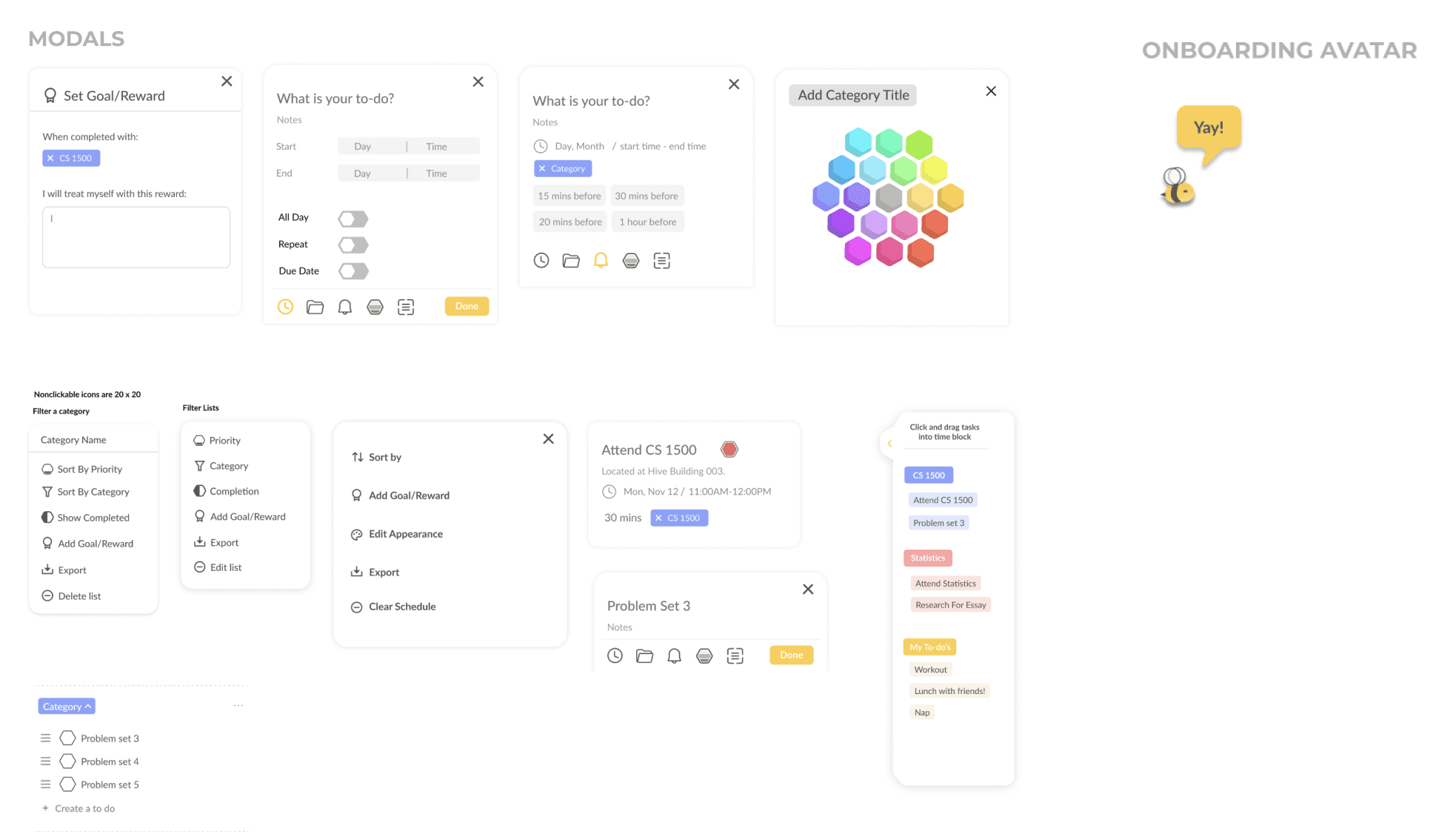
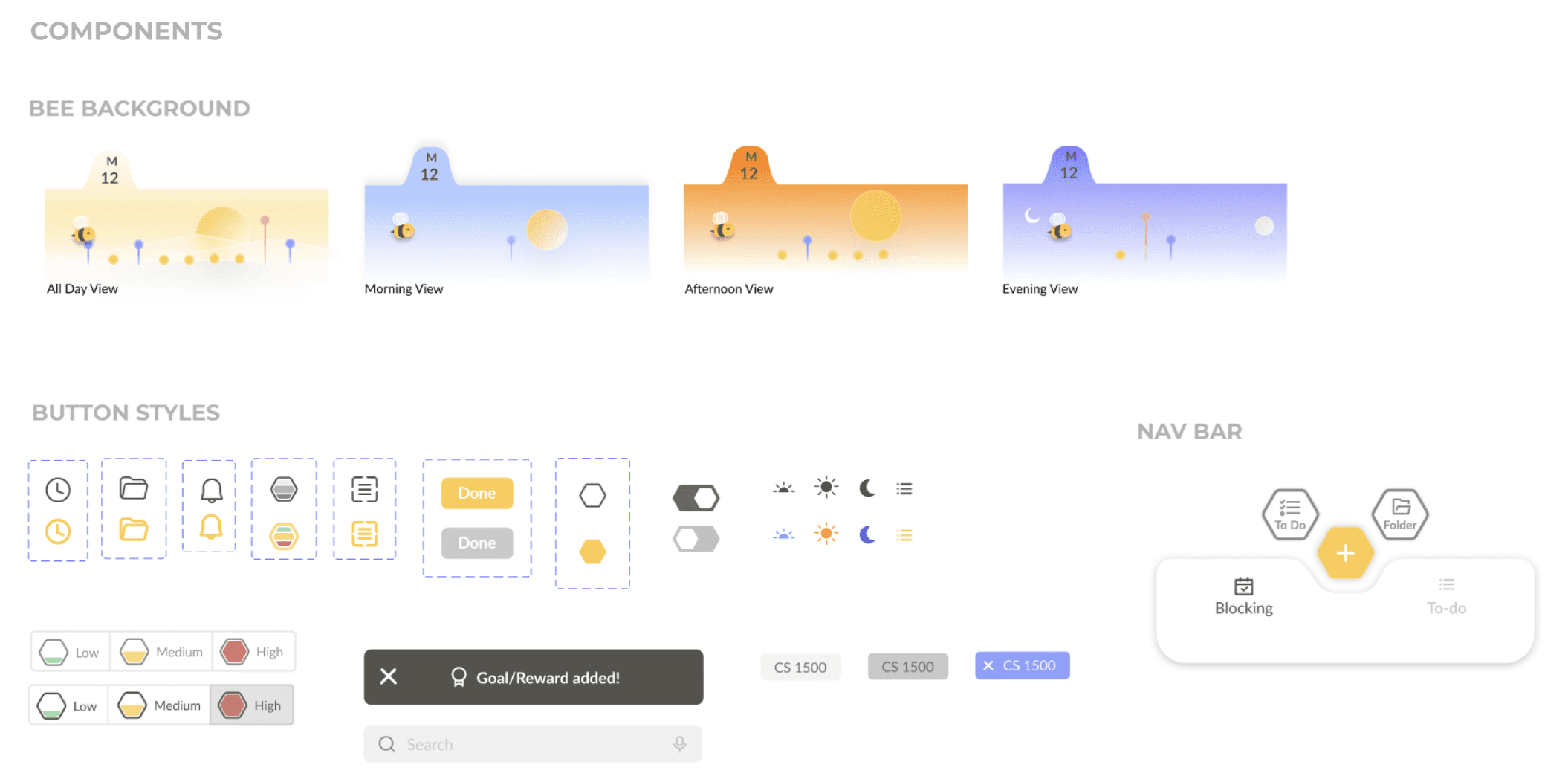
Design system
Learnings
1. Prioritize the user
Early on in our project, we found ourselves straying away from our user’s needs and following our own design aesthetics and preferences. We had to take a step back, reevaluate, and conduct further research to understand user painpoints.
2. The value of planning in a self driven project
As an independent group project, we realized that creating a timeline and estabilishing project milestones were imperative in order to accomplish what we wanted within the timespan we had.
3. Teamwork makes the dreamwork
When making design decisions was it was vital for us to be open-minded and considerate of each others’ suggestions.
Next steps: If we were to further develop Buzy, we would...
1) Conduct broader user testing by expanding our demographic.
2) Create a seamless integration between exisiting management systems.
3) Implementing machine learning to auto-generate tasks